AIRi@UTCN at the Romania 2030 Executive Round Table
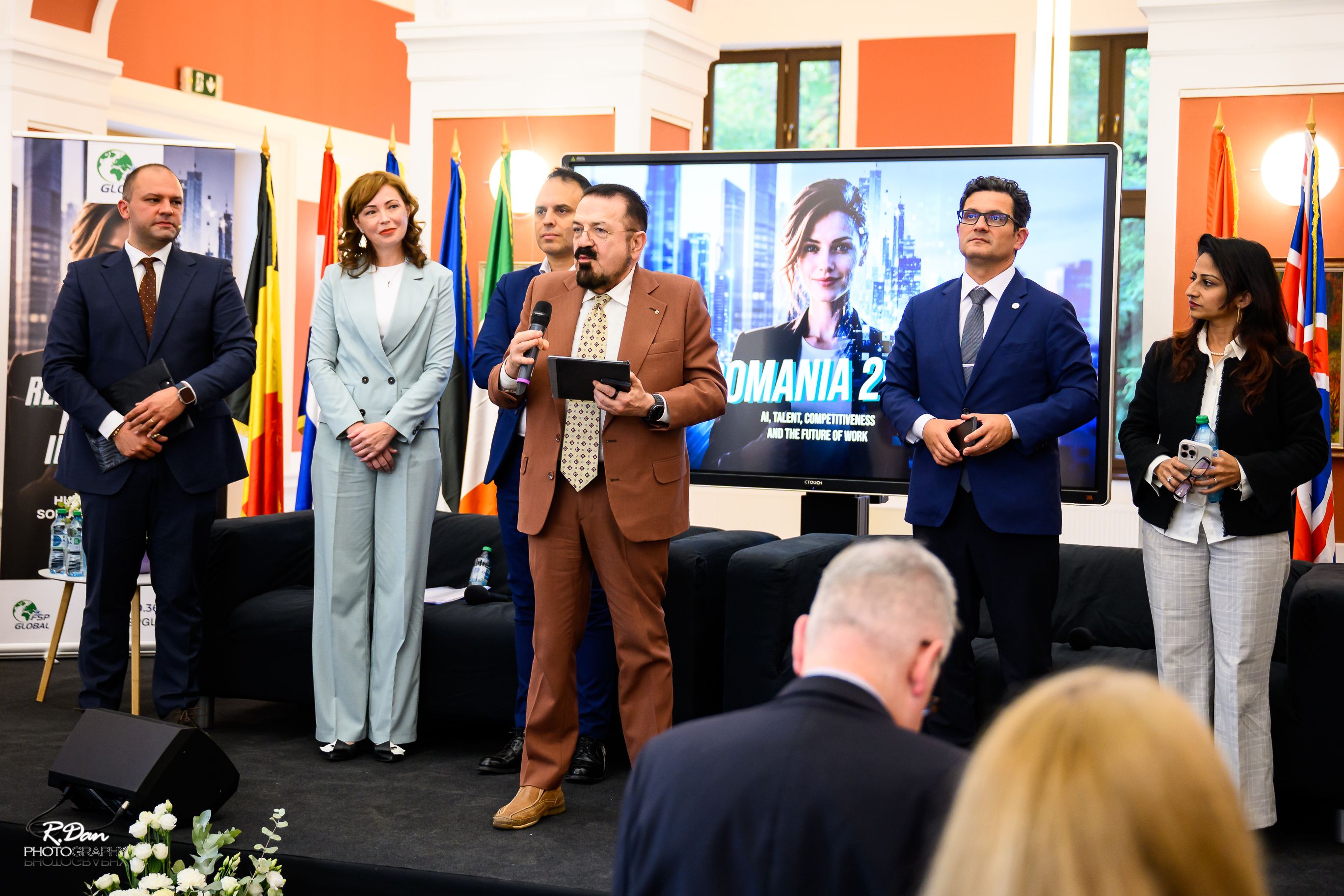
AIRi@UTCN joined international experts at the Romania 2030 Executive Round Table to discuss AI, competitiveness and the future of work.
How can Romania turn artificial intelligence into a competitive advantage? At the Romania 2030 Executive Round Table, Prof. Adrian Groza, Vice-Rector of UTCN and Director of AIRi@UTCN, joined international experts to discuss the role of research infrastructure, talent, innovation and responsible regulation in shaping the country's AI future.
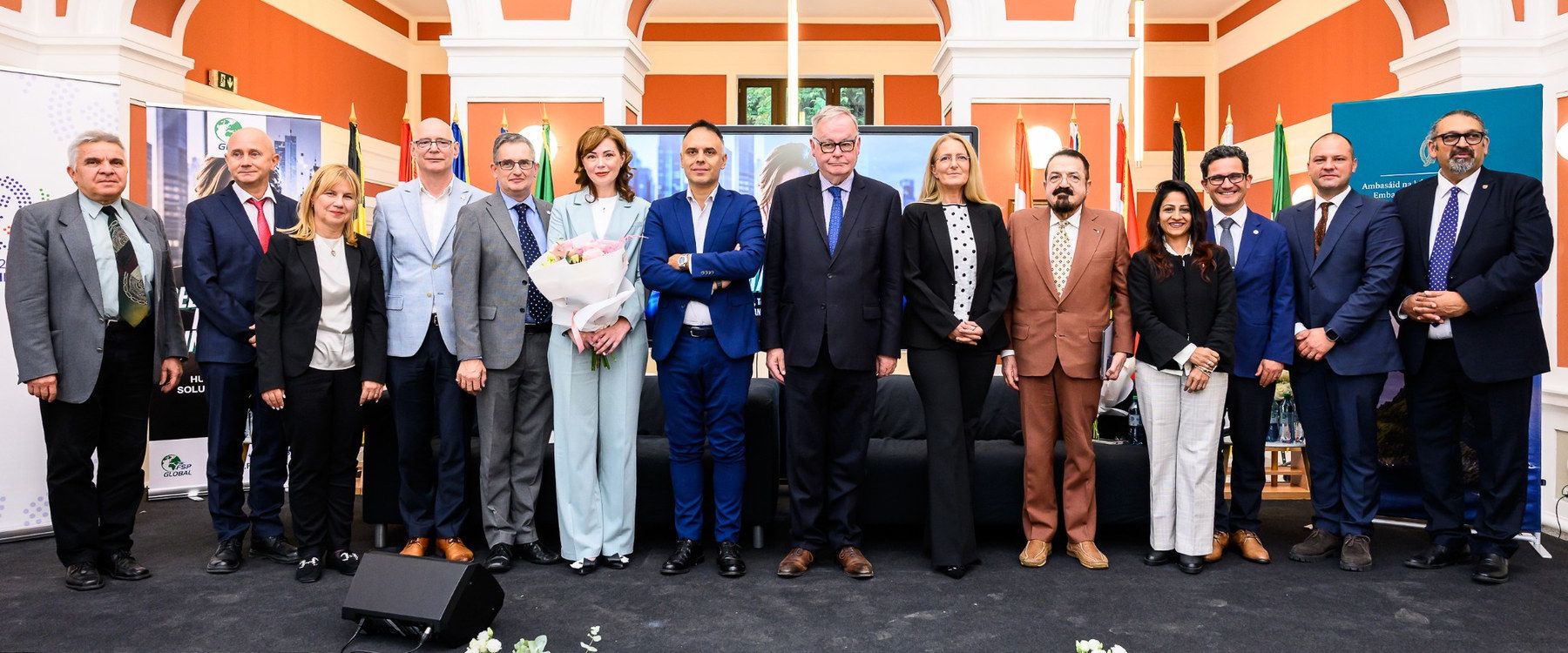
Held on 6 October 2026 at the Casino – Centrul de Cultură Urbană in Cluj-Napoca, the round table brought together representatives of academia, business, technology and public institutions. Initiated by Antonio Pier Francesco Patanè and hosted by the Cluj International Committee, with FSP Global as co-organizer, the event took place under the patronage of the Irish Presidency of the Council of the European Union, ahead of the International AI Summit in Dublin on 14 October.
Opening the proceedings, H.E. Brendan Ward, Ambassador of Ireland to Romania, reflected on the unpredictable consequences of past technological revolutions, while drawing attention to the risks of growing inequality and concentrated economic power in the age of AI.
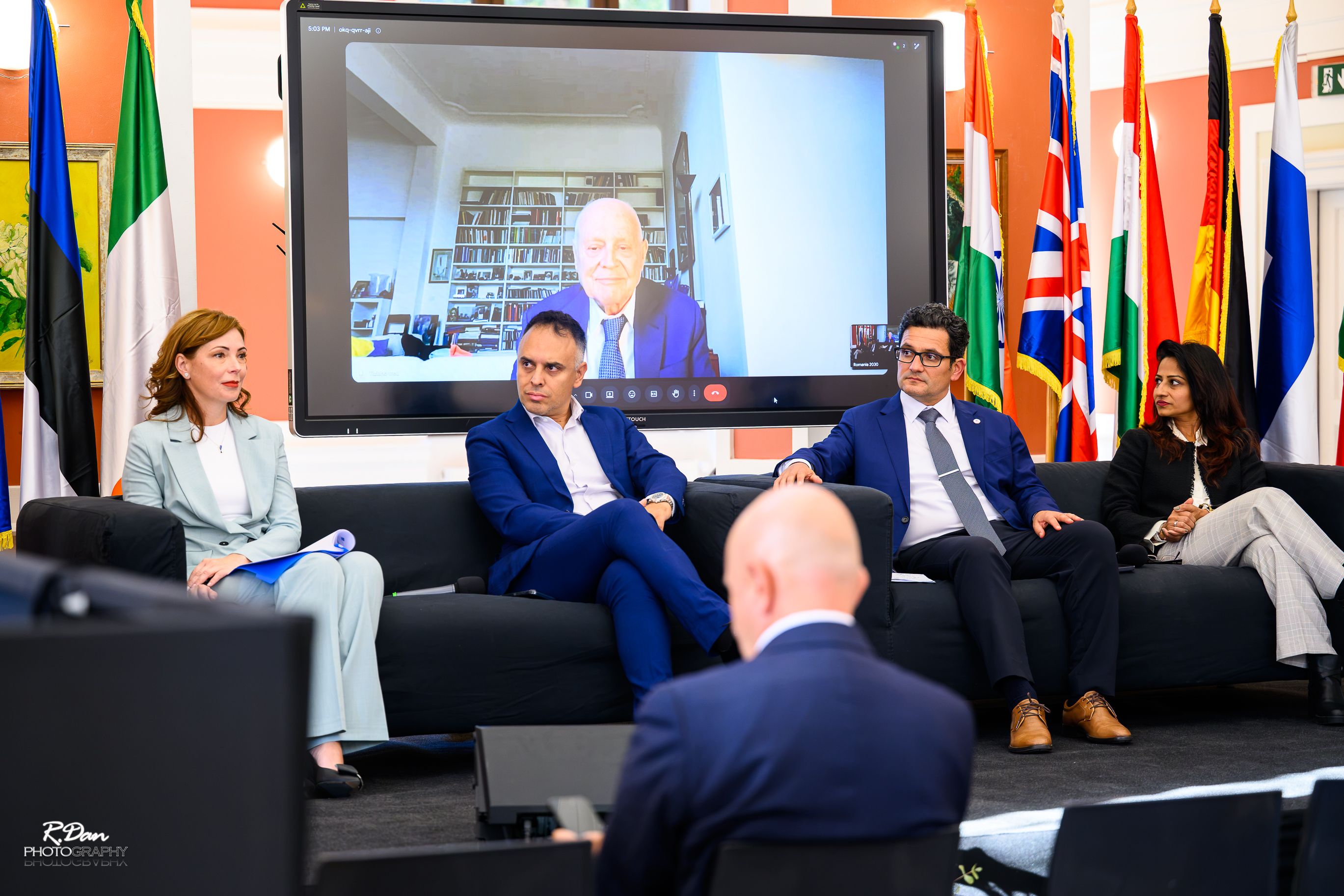
The event also featured addresses by Cluj Prefect Maria Forna, Cluj County Council Vice-President István Vákár and Mayor Emil Boc, who delivered a video message. Representing the academic community, Prof. Christian Săcărea, Vice-Rector of Babeș-Bolyai University, emphasized the role of universities in generating knowledge and experts.
In his key note address, Menno Bart, Vice-President of the World Employment Confederation, shifted the discussion towards skills and the emergence of hybrid labour markets. His central argument was that countries' competitiveness would increasingly depend not simply on technological capabilities, but on their ability to develop talent, support lifelong learning and enable people and AI systems to work effectively together.
The main panel, moderated by Assoc. Prof. Mihnea Stoica of Babeș-Bolyai University, featured Prof. Adrian Groza alongside Bianca Muntean, CEO of Transilvania IT Cluster and Honorary Consul of Estonia; Amita Mirajkar, CEO and Co-Founder of ClairX; and Massimiliano Squillace, Founder and CEO of Contents.ai.
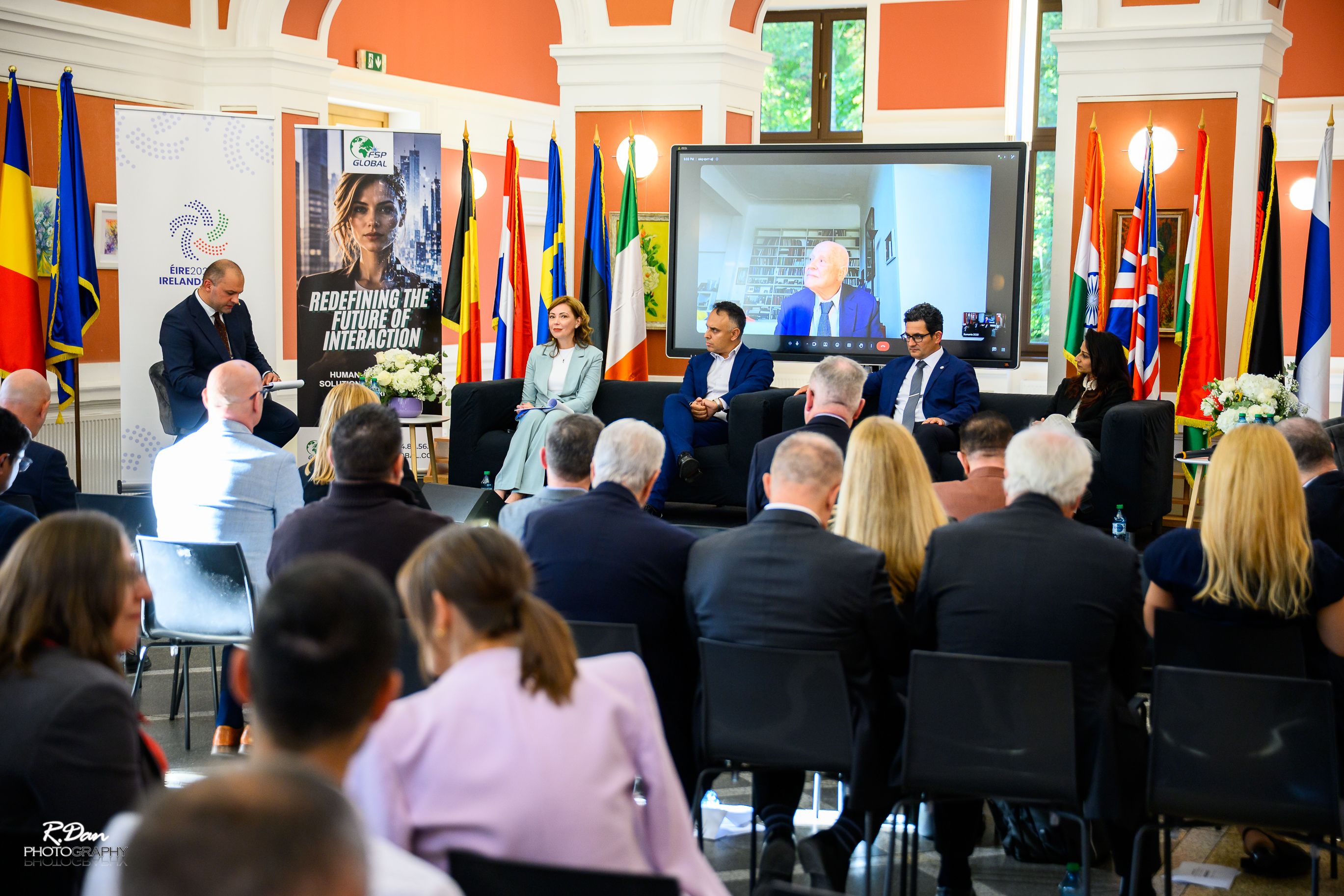
Introducing the discussion, Stoica shared findings from research on public perceptions of AI: younger generations appear particularly anxious about its implications for their future careers; much of this anxiety stems from a lack of preparedness rather than fear of the technology itself; and attitudes towards AI show remarkable similarities across societies, suggesting that enthusiasm and uncertainty about technological change are widely shared.
How are universities preparing for a world increasingly shaped by AI?
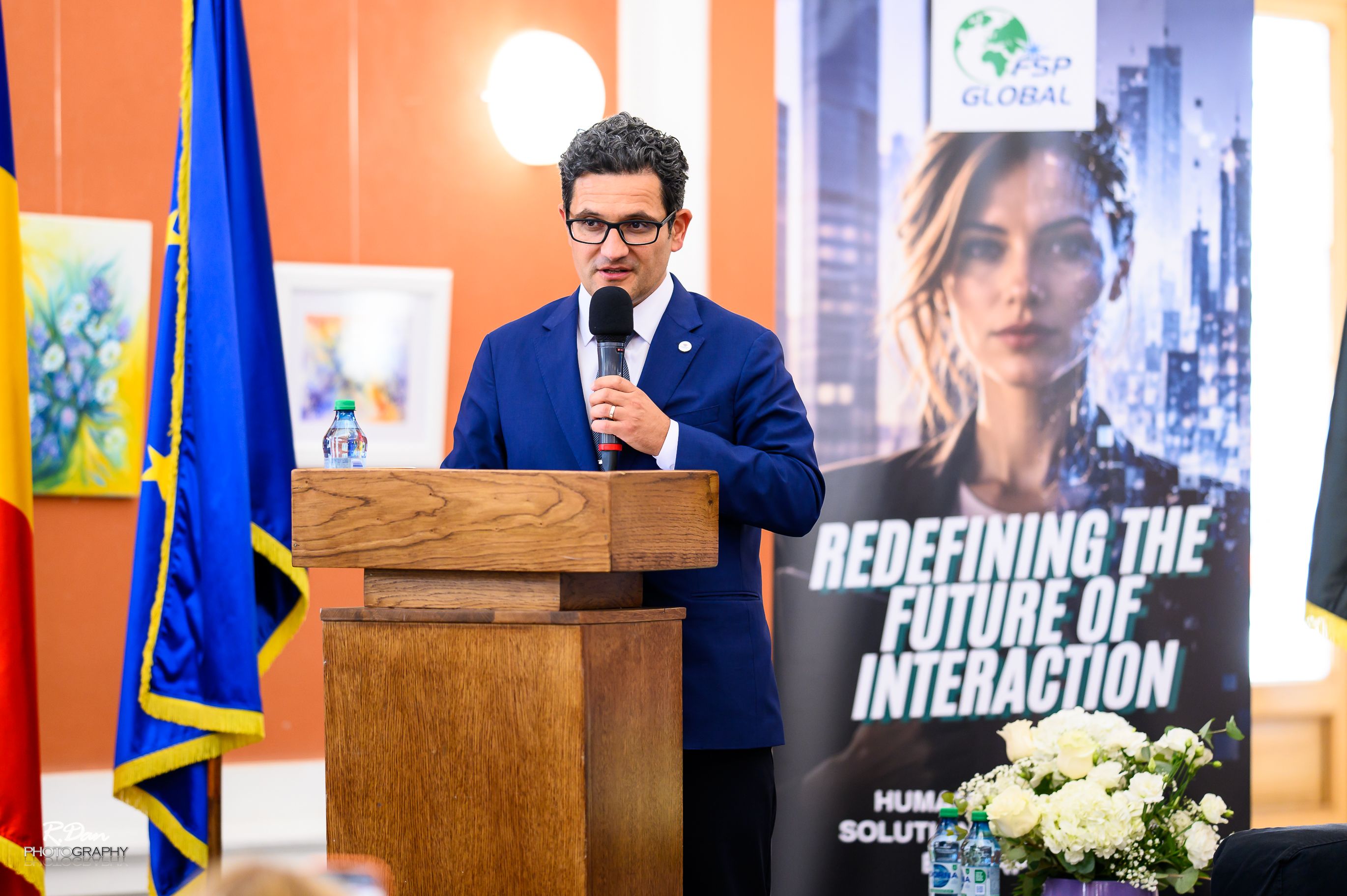
During the panel discussion, Prof. Groza presented TUCN's efforts to develop research infrastructure, strengthen AI education and foster collaboration between universities and industry. He outlined three major initiatives undertaken by TUCN: early investment in the Artificial Intelligence Research Institute, scheduled for inauguration in November 2026; the introduction of AI tools across the university campus to support academic and administrative activities; and the development of international dual education initiatives on AI .
The State of AI in Romania
A central theme of his intervention was the state of AI In Romania and the importance of computing infrastructure for Romania's future competitiveness. Prof. Groza noted that Romania is only beginning to develop the infrastructure necessary for advanced AI research, referring to AIRi@UTCN, the Romanian AI Factory and other emerging data centre projects in the Cluj region. Although modest in scale compared with international investments, these developments represent important steps towards strengthening national research capacity. He also emphasized that AI infrastructure development requires a collective effort involving universities, European institutions, national and local authorities, and private companies.
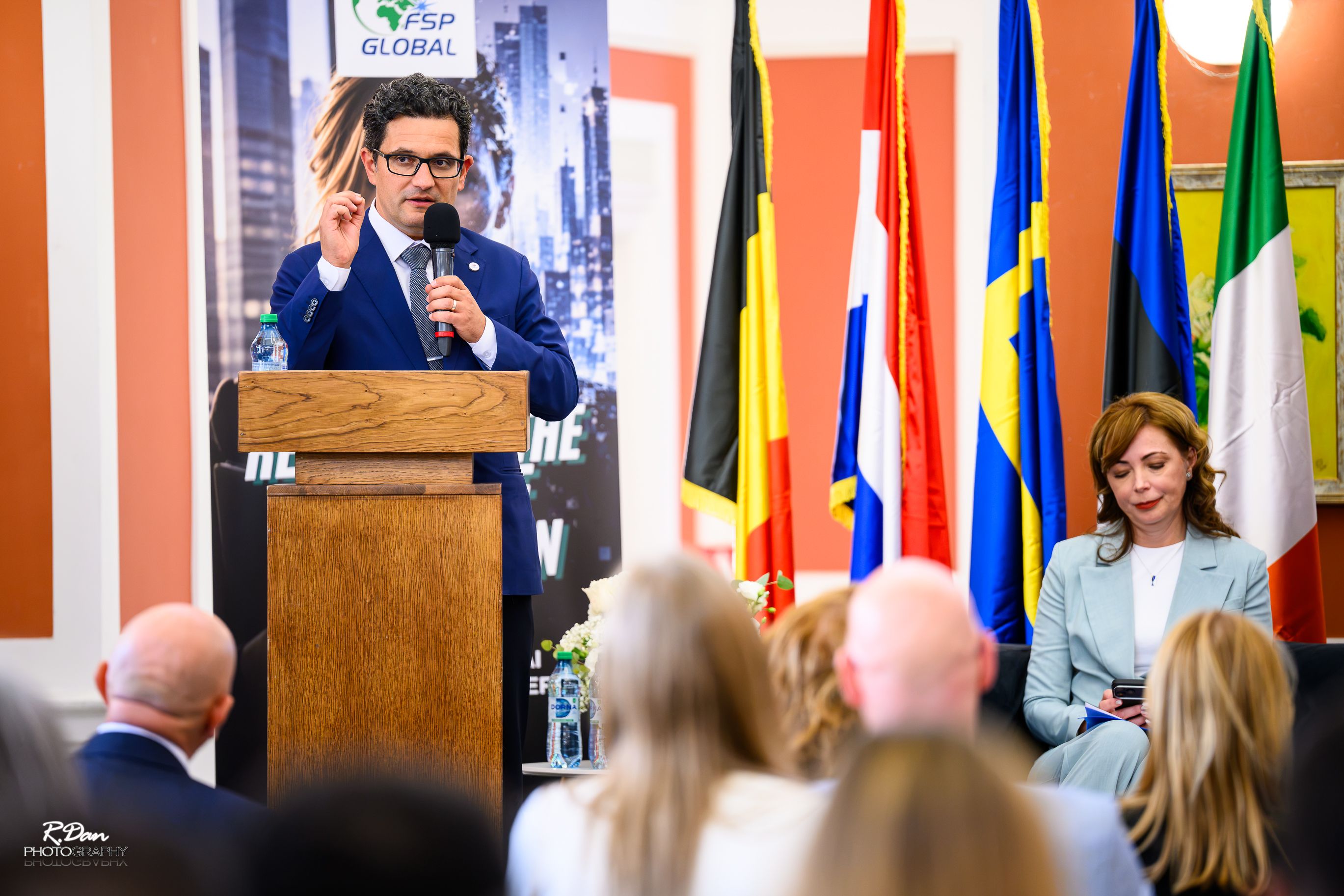
This perspective was complemented by Bianca Muntean's contribution on the role of European Digital Innovation Hubs in accelerating AI adoption. She noted the considerable gap between AI uptake among Romanian SMEs (5.2%) and the European average (25%), highlighting the importance of skills development, access to testing facilities and support for companies that lack the resources to implement emerging technologies independently.
What should Romania do in the coming years to become more competitive in AI?
Amita Mirajkar highlighted Romania's combination of technical talent, strong universities and an established industry ecosystem. Drawing on international industry experience, Mirajkar argued for the creation of communities of practice and centres of excellence that bring together AI specialists, experienced researchers, early-career professionals and experts from application domains.
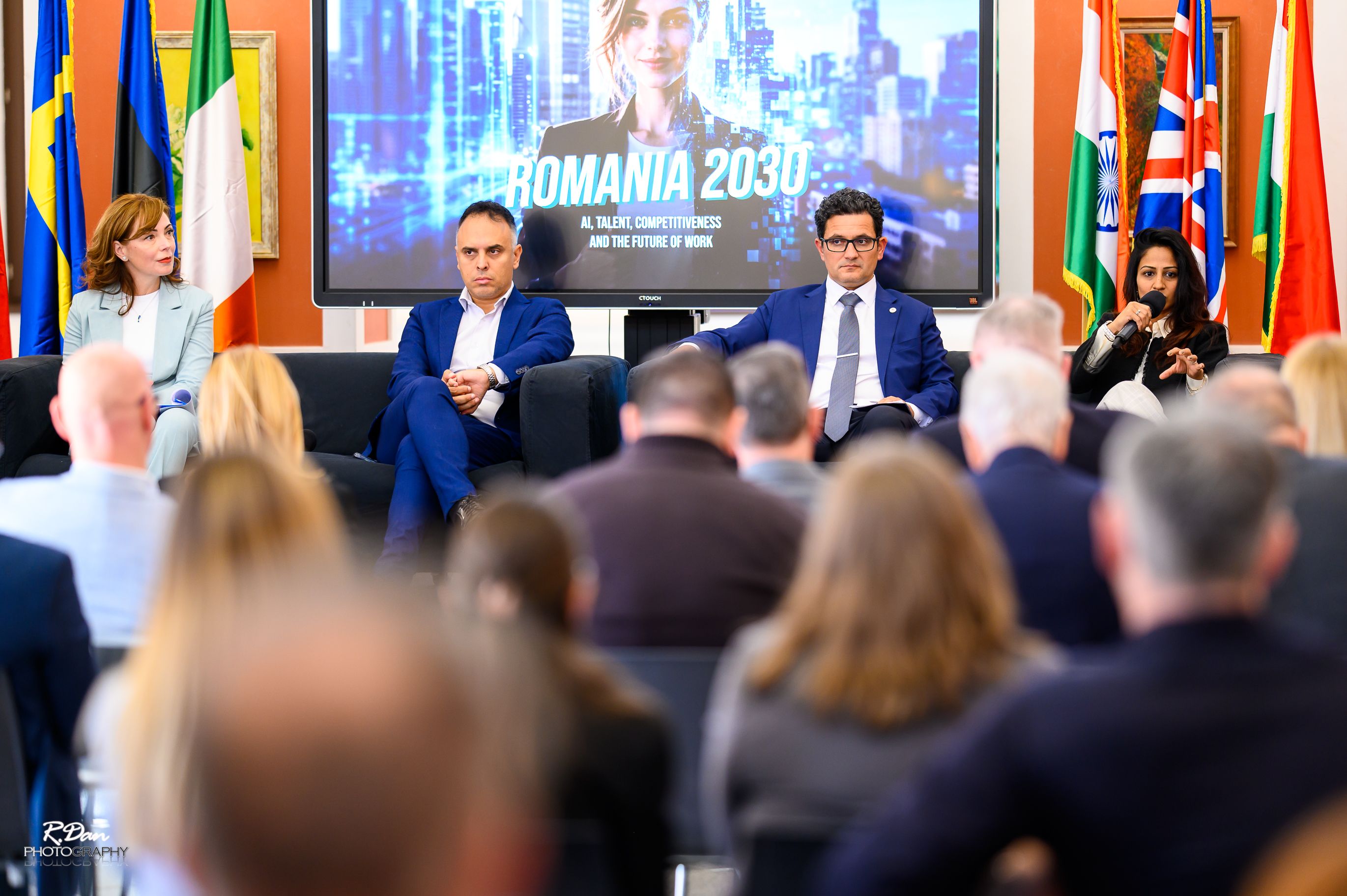
Prof. Groza pointed to four interconnected challenges: reducing energy costs, expanding computing infrastructure, accelerating university spin-offs and developing an effective AI regulatory framework. He stressed that affordable electricity and increasing computing capacity are essential conditions for advanced AI research and development. Romania's emerging infrastructure must be accompanied by sustained investment and policies that encourage innovation, particularly as neighbouring and other regional countries continue to invest in AI resources. He also called on universities to move more rapidly towards creating spin-offs, enabling research results to reach the market and contribute to economic development.
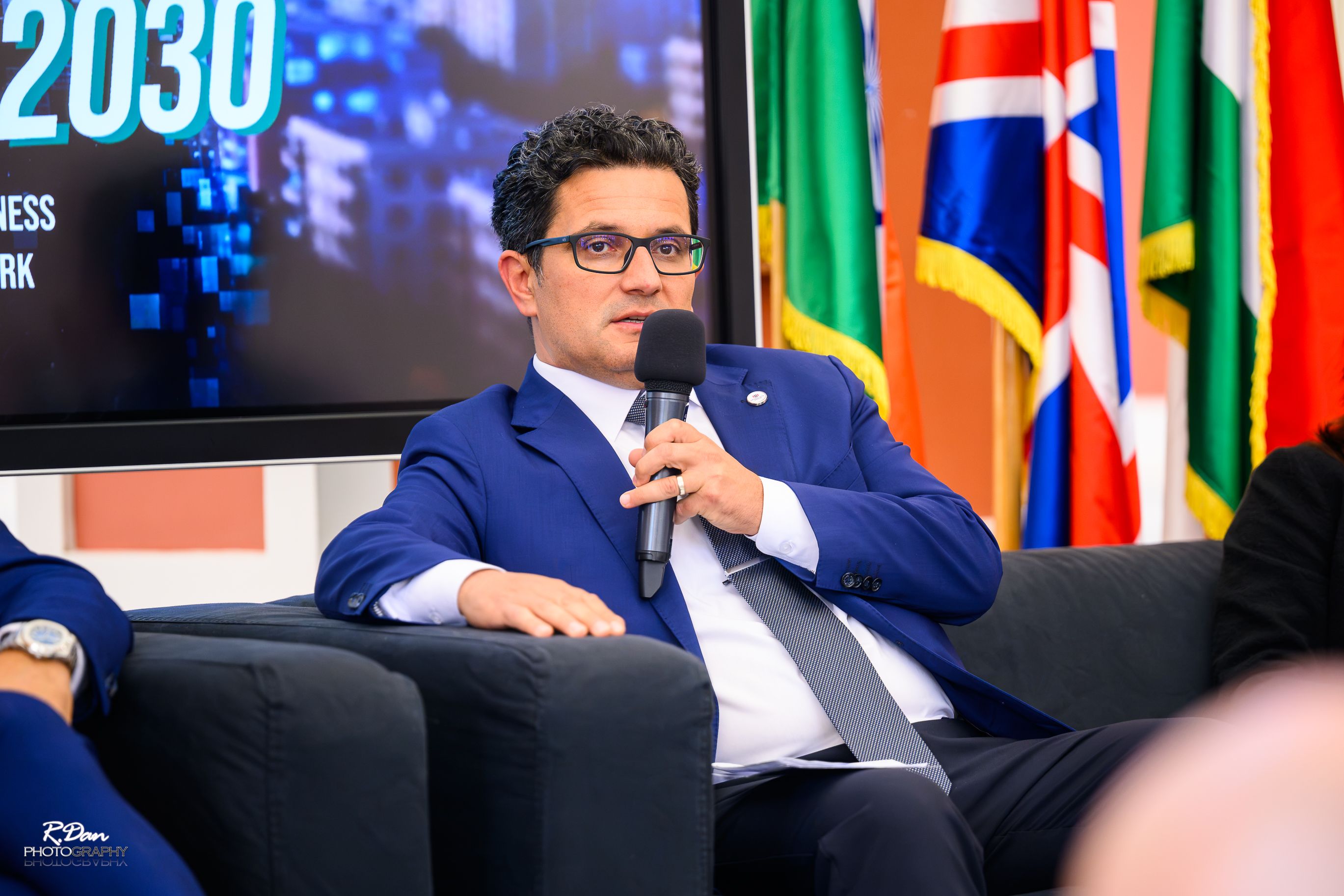
How can Europe & Romania balance AI innovation with regulation?
The relationship between technological innovation and regulation emerged as another important topic, particularly in light of the European AI Act. Panelists situated this debate within Europe's broader approach to technology, which places human interests and societal considerations at the centre of technological development.
Prof. Groza described the relationship between regulation and innovation as challenging but unavoidable: although the two may sometimes appear conflicting, they must develop together. He argued that Romania must establish an effective institutional framework for AI governance, noting the importance of clarifying responsibilities and implementing the necessary mechanisms.
We need to regulate AI before AI regulates us.
Amita Mirajkar similarly argued that regulation and innovation should advance together, advocating a proportionate approach that takes into account the size of organizations and the risks associated with particular AI applications. She suggested that smaller companies and controlled pilot projects could benefit from more flexible regulatory pathways. She also highlighted the role of diversity in AI development and risk-assessment teams. Bringing together people with different professional, geographical and personal backgrounds, she argued, can help identify risks and generate more creative and inclusive solutions.
AIRi@UTCN: From an astronomical observatory to an AI Observatory
Prof. Groza drew a connection between AIRi@UTCN's ambitions and the history of its location. Exactly a century earlier, in 1926, an astronomical observatory was being developed on the site where the institute now stands, on Observatory Street in Cluj-Napoca. A hundred years later, the site is once again dedicated to exploring new frontiers of scientific knowledge, this time through artificial intelligence. Building on this legacy, AIRi@UTCN aspires to become an AI Observatory: a centre not only for advancing AI research and innovation, but also for understanding and monitoring the development, adoption and impact of AI in Romania.
The announcement of The State of AI in Romania, a permanent working group initiated by Antonio Pier Francesco Patanè, resonated particularly with AIRi's vision. Prof. Groza welcomed the initiative and expressed the institute's willingness to contribute its research expertise and interdisciplinary community to this ongoing effort.
I learned that during this meeting a permanent working group on the State of AI in Romania will be launched, so it is fitting, and we are happy to contribute to this working group.
As AIRi@UTCN prepares for its inauguration in November 2026, the ambition to become an AI Observatory connects its historical setting with a forward-looking mission: to help advance artificial intelligence while contributing to a better understanding of its evolution and implications for Romania's economy and society.
Explore more from the event:
- Watch the full discussion: Romania 2030 Executive Round Table - Facebook
- Explore AIRi@UTCN's photo gallery on the event: https://flic.kr/s/aHBqjD7NSd
Gallery